

Whole-House Water Line Repiping
Repeated water line leaks, slab leak history, aging water lines, low water pressure, or high water bills may point to a larger water line problem. Will’s Plumbing & Testing Service evaluates whole-house water line repiping needs for homeowners and property owners throughout San Antonio and nearby communities, depending on location, access conditions, plumbing layout, foundation type, job scope, and current scheduling.
Call Will’s Plumbing & Testing Service directly to request water line evaluation or repiping guidance and confirm availability.
35 years of licensed plumbing experience in the San Antonio area — 33 of them as a licensed Master Plumber and Responsible Master Plumber (RMP).
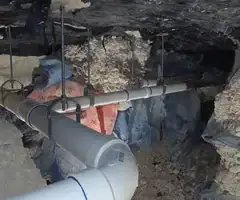
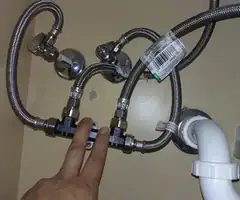
Recent Whole-House Water Line Repiping Work in San Antonio



When Whole-House Water Line Repiping May Be Considered
Will’s Plumbing & Testing Service evaluates repeated water line leaks, slab leak history, aging water lines, pressure concerns, and whole-house repipe needs. Whole-house water line repiping may involve replacing or rerouting domestic water piping, evaluating hot and cold water distribution, reviewing access conditions, considering foundation type, and recommending a practical repair, reroute, tunneling, or repiping approach based on the property.
Whole-house water line repiping is not always required. The right recommendation depends on leak history, pipe condition, plumbing layout, foundation type, access conditions, water pressure, code requirements, customer goals, and whether localized repair, reroute, tunneling, or repiping is the most practical option.
Repair vs. Reroute vs. Whole-House Repipe
Some water line problems can be addressed with a localized repair, while others may be better handled through rerouting or larger repiping when leaks are recurring, piping is deteriorated, access is difficult, or the existing system is no longer reliable. We evaluate the plumbing conditions and explain practical options before recommending a repair, reroute, or whole-house repipe.
A single water leak does not automatically mean the entire home needs repiping. Whole-house repiping should be considered when the condition, history, layout, access, or reliability of the water lines supports that recommendation.
Slab Foundations and Tunneling Expertise
In San Antonio-area homes with slab foundations, some water line repairs or repiping work may require careful access planning. Depending on the location and route of the piping, options may include rerouting, wall or attic access, exterior access, or tunneling when under-slab work is needed. We can evaluate slab-related water line concerns and explain practical access options based on the home and job scope.
Tunneling is not required for every water line issue. The right access method depends on the leak location, piping route, foundation type, structural considerations, property conditions, and whether repair, reroute, or repiping is more practical.
Older San Antonio Homes and Aging Water Lines
Many San Antonio-area homes have older plumbing systems, prior repairs, slab foundations, aging water lines, or piping layouts that require careful evaluation. Repeated leaks, low pressure, water discoloration, or a history of repairs may indicate that a broader water line review is appropriate.
Older homes do not automatically need whole-house repiping. We evaluate the actual condition, symptoms, leak history, access conditions, and customer needs before recommending repair, reroute, or repiping.
Water Pressure and Whole-House Repiping
Low water pressure, pressure fluctuation, pressure spikes, or repeated fixture problems may be related to piping condition, pressure regulator issues, fixture restrictions, leaks, water heater expansion, or other plumbing conditions. We can evaluate pressure symptoms as part of a whole-house water line review.
Water pressure problems do not always mean the home needs repiping. Pressure concerns should be evaluated with proper testing, fixture review, pressure regulator review, leak symptoms, and overall plumbing conditions before recommending a repipe.
Leak Detection and Repeated Leak History
Repeated leaks, unexplained water usage, high water bills, warm floors, damp areas, or the sound of running water may point to hidden water line problems. We can evaluate leak symptoms and recommend leak detection, slab leak evaluation, repair, reroute, tunneling, or repiping when appropriate.
Leak symptoms do not always identify the exact source of the problem. Diagnosis may require inspection, testing, access to affected areas, and review of the home’s plumbing layout and conditions.
Materials, Routing, and Installation Considerations
Whole-house water line repiping may involve approved piping materials, route planning, access points, shutoff valves, pressure regulation, water heater connections, fixture connections, insulation considerations, and code-conscious installation. The recommended material and route should be based on the property, code requirements, access, budget, and long-term reliability goals.
No single repiping material or routing method is right for every home. Material selection and routing should be based on code requirements, property conditions, access, water conditions, customer priorities, and job scope.
What We Inspect
We review the type of water line concern; leak and slab leak history; age and condition of visible piping; hot and cold water distribution; water pressure symptoms and static pressure when applicable; pressure regulator condition; main and fixture shutoff valves; water heater connections and expansion concerns; access conditions and foundation type; possible routing options; whether tunneling, rerouting, or localized repair may be practical; whether whole-house repiping should be considered; code or safety concerns; prior repairs and inspection-report items when known; and whether follow-up service is recommended.
How We Handle Whole-House Water Line Repiping Evaluation
We start by reviewing the water line symptoms, leak history, pressure concerns, property type, foundation type, access conditions, and customer needs. We evaluate visible plumbing conditions, review practical access and routing options, explain the findings, and discuss whether localized repair, reroute, tunneling, or whole-house repiping should be considered — so customers understand the appropriate next step before any work begins.
Before We Arrive
Gather any available information about prior leaks, slab leak history, water bills, inspection reports, photos, previous plumbing repairs, and pressure symptoms, and note areas where leaks or water damage have appeared. If water is leaking, shut off the affected fixture or water supply if you know where the valve is and it is safe to do so. Keep access areas clear when possible, and do not open walls, floors, or slab areas yourself unless instructed by a qualified professional.
Licensed Plumbing Experience
Work is performed by or under the supervision of a Responsible Master Plumber licensed by the Texas State Board of Plumbing Examiners (TSBPE), in accordance with applicable state and local plumbing codes. We handle whole-house water line repiping evaluation and related plumbing work with licensed experience, Responsible Master Plumber oversight, practical recommendations, and attention to access, safety, water pressure, leak history, foundation conditions, and code-conscious plumbing work.
Frequently Asked Questions
Does one water leak mean I need a whole-house repipe?
No. A single water leak does not automatically mean the entire home needs repiping. We evaluate leak history, pipe condition, plumbing layout, access, pressure concerns, and customer goals before recommending repair, reroute, tunneling, or repiping.
When should whole-house water line repiping be considered?
It may be considered when leaks are recurring, piping is aging or deteriorated, prior repairs have failed, water pressure problems are connected to piping condition, or the existing system is no longer reliable.
Can tunneling be used for water line repairs or repiping?
Tunneling may be considered when under-slab access is needed, but it is not required for every water line issue. Access options depend on leak location, piping route, foundation type, structural considerations, and whether repair, reroute, or repiping is more practical.
Can low water pressure mean I need a repipe?
Sometimes, but not always. Low pressure may be caused by fixture restrictions, pressure regulator issues, leaks, older piping, water heater expansion conditions, or other plumbing factors. Proper evaluation should come before any repiping recommendation.
Do older San Antonio homes always need repiping?
No. Older homes do not automatically need whole-house repiping. The actual condition, symptoms, leak history, access, and customer needs should guide the recommendation.
What information should I gather before calling?
Prior leaks, slab leak history, water bills, inspection reports, photos, previous repairs, pressure symptoms, and where leaks or damage have appeared.
Will you recommend repair before repiping?
We evaluate the water line conditions before recommending the next step, so customers understand whether localized repair, reroute, leak detection, tunneling, additional diagnosis, or whole-house repiping is appropriate.
Need Water Line Help?
If your home has repeated water line leaks, slab leak history, aging water lines, low water pressure, or whole-house repiping concerns, call Will’s Plumbing & Testing Service to request water line evaluation and repiping guidance.